How to Learn and Accompany a Unusual Tune in Irish Traditional Music
 Declan Plummer
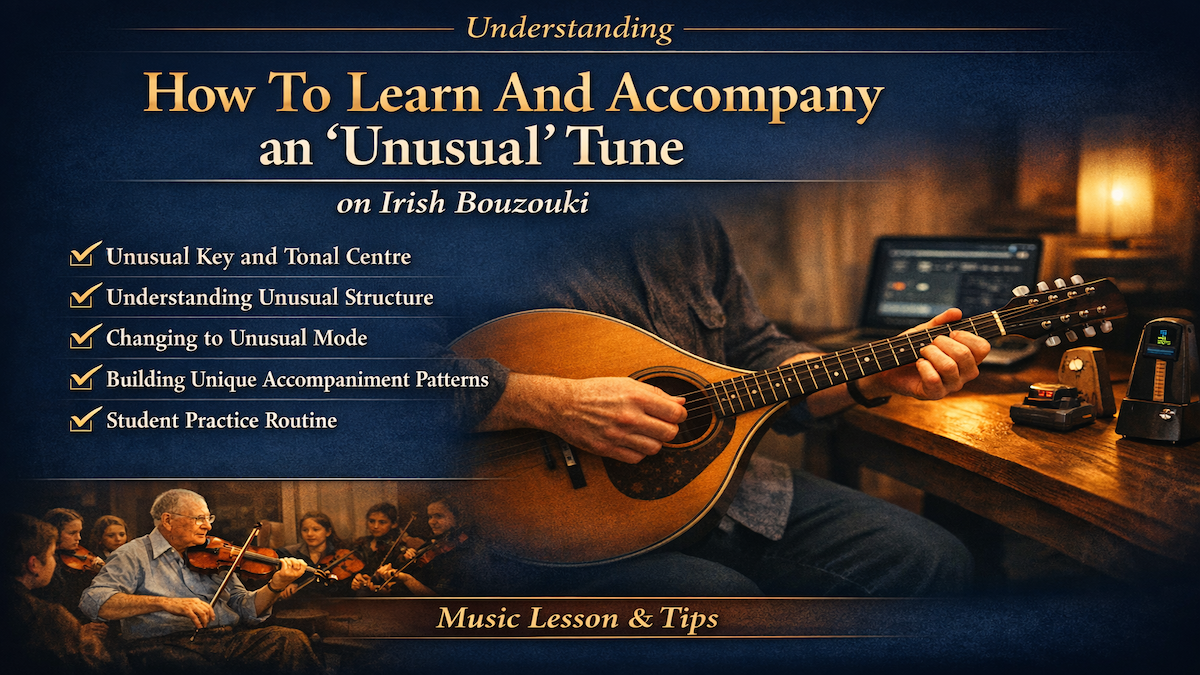
Learn how to accompany The House of Hamill reel by ear, understand its structure, hear the modal shift, and practise it effectively.
How To Learn And Accompany an 'Unusual' Tune -
The House Of Hamill
The House of Hamill is a rewarding but unusual traditional reel to learn because it combines a short three-part structure, an unexpected modal shift, and accompaniment choices that need careful listening. The best approach is to identify the tonic first, slow the piece down, learn each section separately, and build an accompaniment that matches the tune’s changing character.
This lesson focuses on the practical process of learning a tune by ear while also creating a convincing accompaniment. Rather than treating accompaniment as an afterthought, the lesson shows how harmony, texture, structure, and repetition all shape the final musical result.
What makes this tune especially valuable for students is that it resists automatic habits. It is not built around the most familiar session-friendly layout, and that forces you to listen more carefully, think more deliberately, and avoid relying on stock patterns that might work in simpler reels.
If you are studying Irish traditional music, folk accompaniment, or general musicianship, this is an excellent example of how a strong ear, patient repetition, and flexible thinking help you solve musical problems step by step.
- Begin by finding the tonic and establishing the tune’s tonal centre before choosing chords.
- Treat the reel as three short sections and learn each part separately at a reduced speed.
- Use contrast in texture, harmony, and repetition so the accompaniment supports the shape of the tune.
Start By Finding The Key And Tonal Centre
The first musical task in the lesson is not chord naming or finger placement, but listening for the tonic. That is a valuable reminder for any student. Before you accompany a tune, you need to know which note feels like home. This is the central point around which the other notes seem to revolve.
A simple way to do this is to hum along with the opening phrase and test possible resting notes until one feels stable. This approach may feel unscientific, but it is actually one of the most reliable ear-training habits you can develop. If the tonic is wrong, everything else becomes harder: the capo choice, the chord shapes, the bass movement, and even your understanding of the tune’s mood.
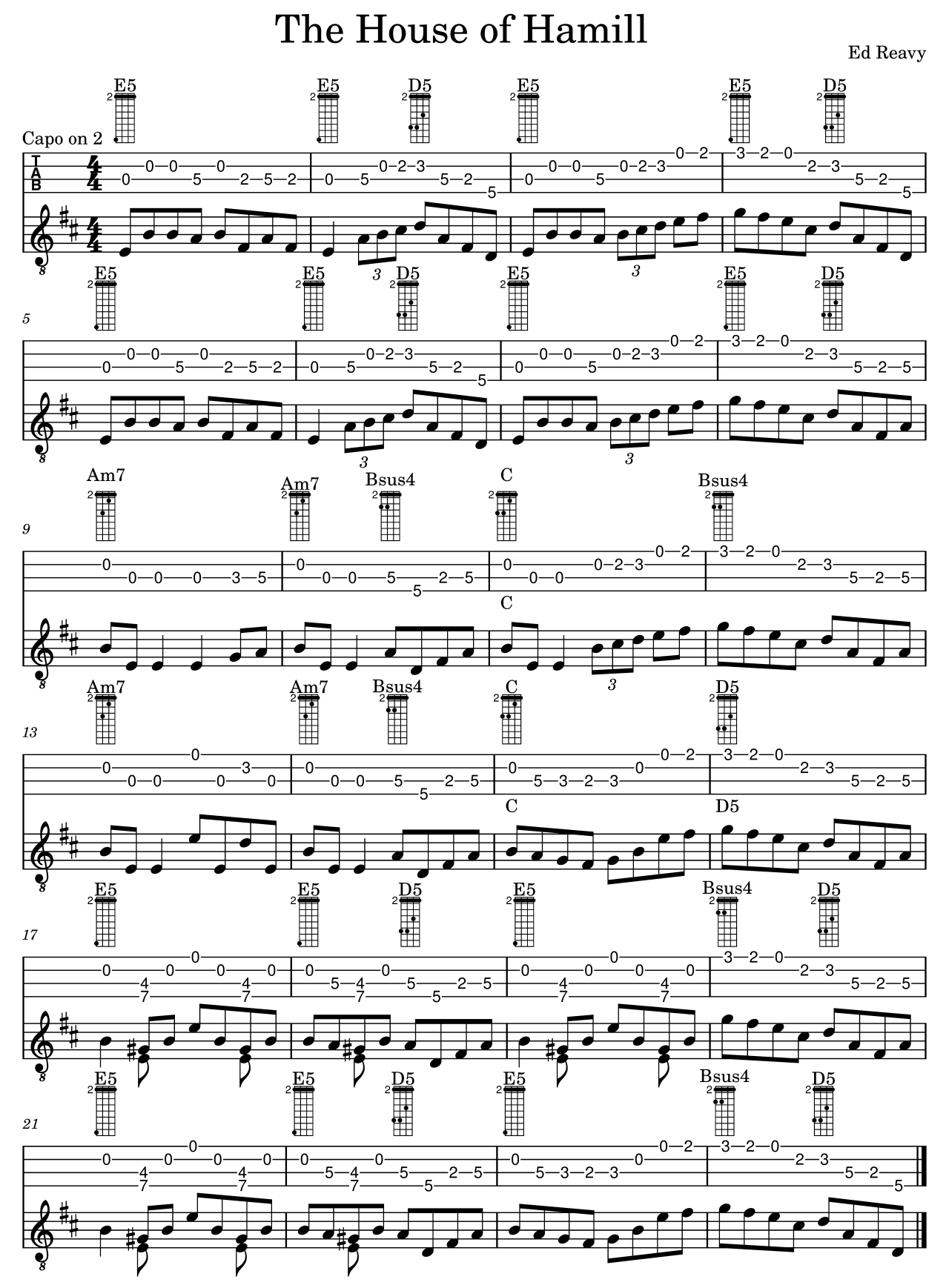
In this lesson, the accompaniment is explored with the capo on the 3rd fret, which is the first unusual characteristic as it is far less common than the more familiar positions (on the 2nd, 5th and 7th frets) that many traditional bouzouki players rely on. That alone makes the tune instructive. It pushes the player away from routine fretboard shapes and demands more active thinking.
Pro Tip: When learning by ear, sing the tonic before you touch your instrument. If you can hear the tonal centre clearly in your head, your chord choices become far more accurate.
Why The Capo Position Matters
Using an unusual capo position changes more than the pitch. It affects fingering comfort, chord voicings, and your sense of geography on the instrument. Certain frets become familiar only because players use them so often. Moving elsewhere forces you to understand the instrument more deeply rather than depend on muscle memory alone.
That is particularly useful for intermediate players. If you always learn tunes from the same positions, you may become fluent in one small area of the fingerboard but weak everywhere else. A tune like this encourages broader musicianship.
Understanding The Tune’s Unusual Structure
The second unusual feature of this reel is that it has three parts rather than the more familiar binary layout many students expect; the standard structure for the majority of Irish traditional dance tunes is 2x 8-bar sections (A & B), with each section repeated (AABB). In this reel the structure is 3x 4-bar sections (A, B & C), with each short section repeated (AABBCC). That means a player who assumes the usual pattern can easily lose their place.
Instead of relying on habit, you need to count carefully and listen for what comes next. The transcript explains that the opening material can be heard either as two short repeated units or as one larger section. Both ways of thinking can be useful, but whichever approach you choose, you must stay consistent.
| Section | Length And Function | Why It Matters |
|---|---|---|
| A | Short opening idea, effectively four bars repeated or an eight-bar unit | Easy to misread if you expect a standard repeated A section |
| B | Another concise section that continues without the usual large repeat structure | Requires close attention to phrasing and transition points |
| C | Final section with stronger harmonic contrast and modal colour change | Acts like the climax, so accompaniment often needs to widen or intensify |
Insight: Unusual structure is not a problem to fix. It is part of the tune’s identity. Strong musicians learn to recognise form before they try to decorate it.

Avoiding Structural Confusion
Many mistakes happen because a player feels the urge to repeat a section when the tune has already moved on. This is common in session playing. If you are uncertain, listen first, then join lightly. That is often far better than forcing your way through the wrong pattern.
It is also wise to learn the transitions, not just the sections themselves. Moving from A to B and from B to C is often where the memory slips occur. Students who isolate those links usually stabilise the whole tune more quickly.
The Modal Shift And Why It Changes The Feel
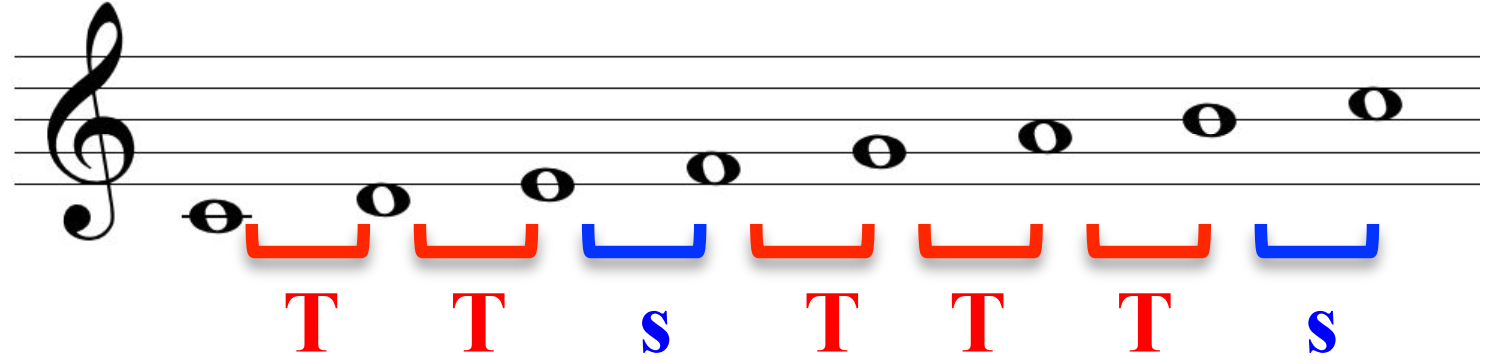
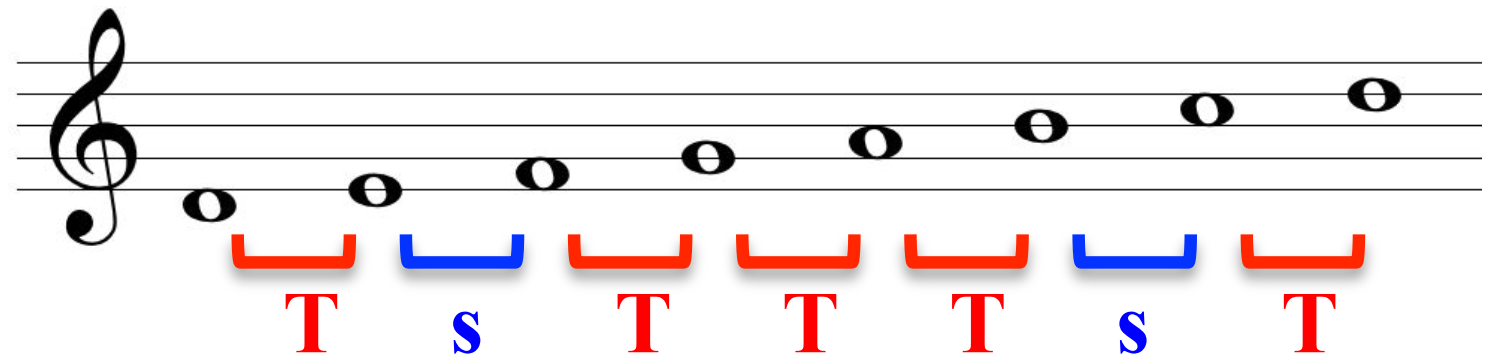
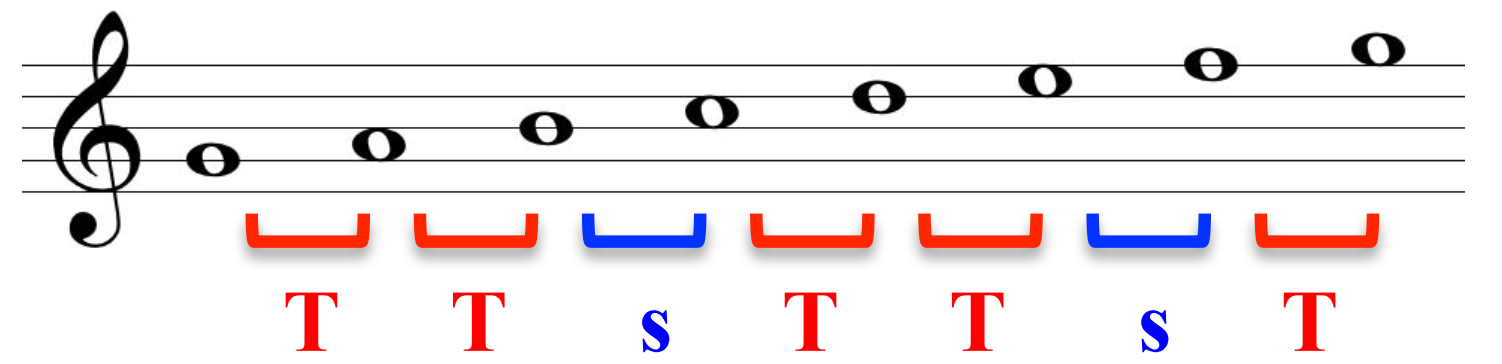
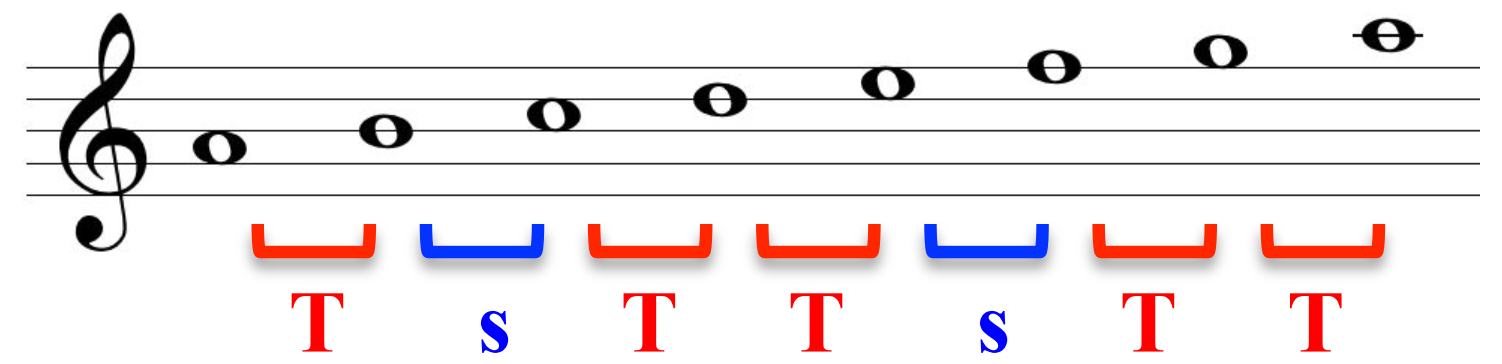
Another striking feature of this lesson is the discussion of mode. The opening material centres on one colour, while the final section introduces a different modal flavour through changed scale notes. Even if a student does not analyse every pitch in theoretical detail, they can still hear that the final part feels brighter and more directed.
That shift matters because accompaniment should respond to it. If the harmony stays emotionally flat, the third section loses impact. The final part is treated as more harmonic and climactic, with less interest in busy counterpoint and more emphasis on solid chord support.
Common Mistake: Students often keep using the same accompaniment texture after the tune changes mode. When the tonal colour changes, the backing should usually acknowledge that change through chord choice, register, or texture.
Supporting The Climax Of The Third Part
The lesson suggests that the final section should feel more harmonic and more conclusive. That is a musically mature decision. Not every part of a tune needs the same density of ideas. If the A section is light and exploratory, and the B section develops momentum, then the C section can justify broader, fuller support.
This is also a useful general principle for arrangement. A tune becomes more compelling when each section has a slightly different role rather than sounding like the same backing pattern repeated without thought.
Building Chords And Texture For Accompaniment
Much of the live demonstration focuses on testing chord shapes, rejecting weak options, and refining fingerings until the accompaniment begins to fit. That process is invaluable for students to see. Good accompaniment is rarely produced in one attempt. It is shaped through trial, correction, and repeated listening.
Several important ideas emerge from this process. First, not every string has equal harmonic importance. Lower courses often define the chord more strongly, while upper strings may function melodically or add colour. Second, some chord labels may be theoretically possible but musically unhelpful. In practice, players need names and shapes that reflect what the harmony is doing, not just what can be spelled on paper.
The transcript also explores contrast between textures. One version of the A section uses chordal support, while another leans more towards a contrapuntal or arpeggiated feel. That kind of variety is especially effective in a tune with short repeated units. It helps the music move forward without becoming monotonous.
Practice Box: Try one pass of the A section using only block chords, then a second pass using a lighter arpeggiated texture. Record both versions and compare which one supports the melody more naturally.
Choosing Between Chords And Counterpoint
The lesson repeatedly returns to a useful question: should the accompaniment provide full chords, independent melodic movement, or a blend of both? There is no single correct answer. The right choice depends on the section, the speed, and how clearly the tune itself needs to be heard.
For many students, the safest path is to begin with simple harmonic support. Once the pulse, structure, and harmonic rhythm are secure, small contrapuntal ideas can be added. Doing it in that order keeps the arrangement grounded and avoids decorative ideas that collapse under pressure.
How To Practise A Difficult Tune Effectively
Repeat practicing / looping of short passages. Rather than pretending that learning is tidy, this lesson shows that progress often looks like playing the same material again and again until the ear starts to recognise patterns more clearly. That is not wasted time. It is how detail becomes secure.
Slowing the original recording is another major practice strategy. The lesson recommends avoiding excessive slowing down of an audio file because the sound quality can become warped, but moderate slowing makes it far easier to hear phrase endings, bass movement, and internal details. This is especially useful when the tune contains unusual accidentals or modal changes.
The lesson also highlights something many students forget: it is perfectly acceptable to leave a section unfinished for the moment and return to it later. Not every decision must be final in the first practice session. Often, the best ideas appear only after the tune has settled in your ear.
Pro Tip: Keep a consistent learning tempo for each dance type. A reel, jig, hornpipe, or slide may each need a different practice speed, and writing those speeds down saves time in future sessions.
A Practice Routine For Learning This Tune
Begin by listening to the whole tune without your instrument. Identify where the A, B, and C sections start and finish, and notice that each section is shorter than many traditional reels. Your goal at this stage is orientation, not performance.
Next, find the tonic by humming along and testing the resting note on your instrument. Once that tonal centre is secure, choose the capo position and play only the most basic tonic support until the opening section feels settled.
Then slow the recording to a sensible learning speed. Work on the A section in isolation until you can hear both the melody and the harmonic pull underneath it. After that, experiment with two textures: one chordal and one more arpeggiated or contrapuntal.
Move to the B section only when the A section feels dependable. At this point, concentrate on the transition from A to B, because that is one of the most common places to get lost. Play the link several times without restarting from the beginning.
For the C section, listen carefully for the modal shift and let the accompaniment broaden. This is often the most effective place to simplify the texture and strengthen the harmonic arrival. Once the three sections work individually, practise joining them in full cycles.
Finally, play the tune through several times in a row at a moderate speed. Do not stop for every small mistake. Instead, notice where the memory still feels uncertain, then return afterwards to repair those specific points. That balance between repetition and targeted correction leads to much steadier progress.
Key Takeaways
✅ Find the tonic first, because every later decision about chords, capo position, and texture depends on hearing the tonal centre correctly.
✅ Learn the tune as three short sections rather than forcing it into a more familiar repeated pattern.
✅ Let the accompaniment change with the tune, especially when the final section introduces a new modal colour and greater intensity.
✅ Repetition is not a sign of failure; it is one of the main ways your ear learns structure, transitions, and harmonic detail.
✅ A strong arrangement often grows from simple chord support first and only later adds counterpoint, variation, and decorative ideas.
FAQ
Why Is The House Of Hamill Harder Than Many Reels?
It is harder because the structure is less predictable, each section is shorter than expected, and the final part introduces a noticeable change in tonal colour. Those features make it easier to lose your place if you rely only on habit instead of careful listening.
Should I Learn The Melody Or The Chords First?
You should understand the melody and tonal centre first, even if you are mainly interested in accompaniment. Once you know where the tune resolves and how the phrases are shaped, the chords become much easier to choose with confidence.
How Slow Should I Practise A Tune Like This?
Practise slowly enough that you can hear the structure, transitions, and chord movement clearly, but not so slowly that the recording becomes heavily distorted. A moderate reduction in speed is usually enough to make the details audible without destroying the feel of the tune.
Do I Need Different Textures In Different Sections?
Not always, but using different textures can make the accompaniment more musical. In this tune, lighter support in one section and fuller harmony in the final section helps reflect the tune’s shape and keeps the arrangement from sounding repetitive.
What Should I Do If I Keep Losing My Place In The Form?
Stop trying to play the whole tune immediately and isolate the transition points between sections. Listen through first, count the bars, and practise joining A to B and B to C on their own. Once those links are secure, the entire form becomes much easier to remember.
Categories: : Irish Traditional Music
Did this article answer all your questions?
If you have any questions, or you want to learn more,
Click the Picture Below to Join the Community for FREE!