How to Play “Dark Island” on Irish Bouzouki
 Declan Plummer
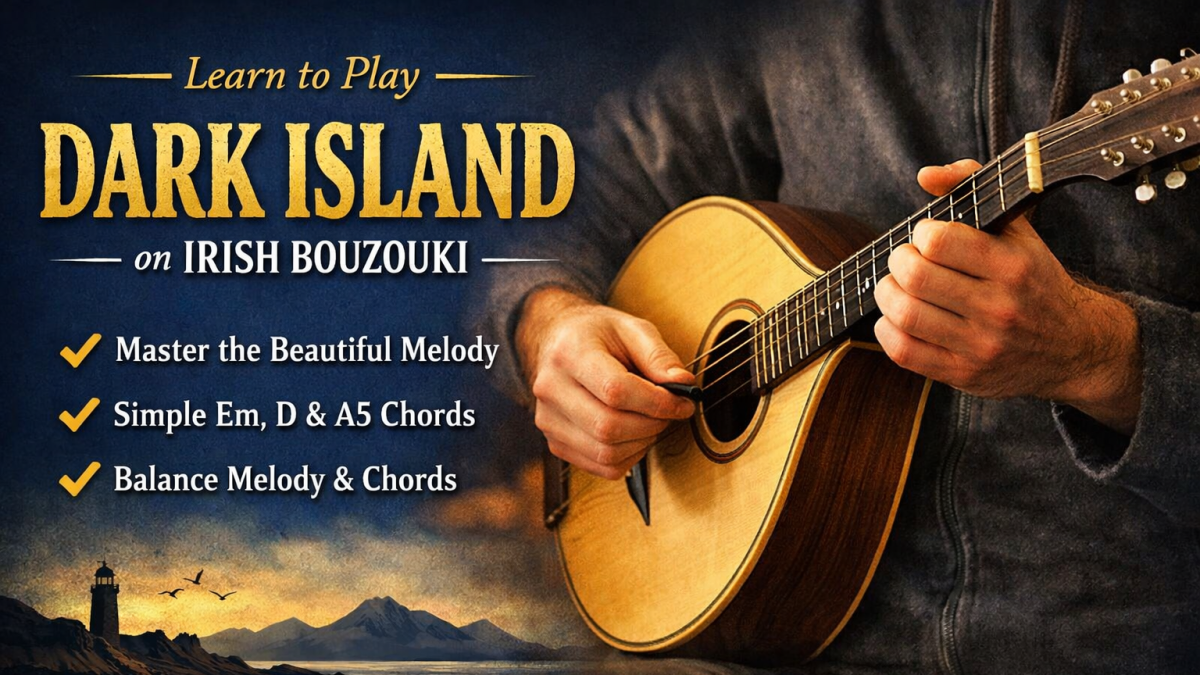
Learn how to play Dark Island on Irish bouzouki with chord shapes, melody tips, and practical practice strategies.
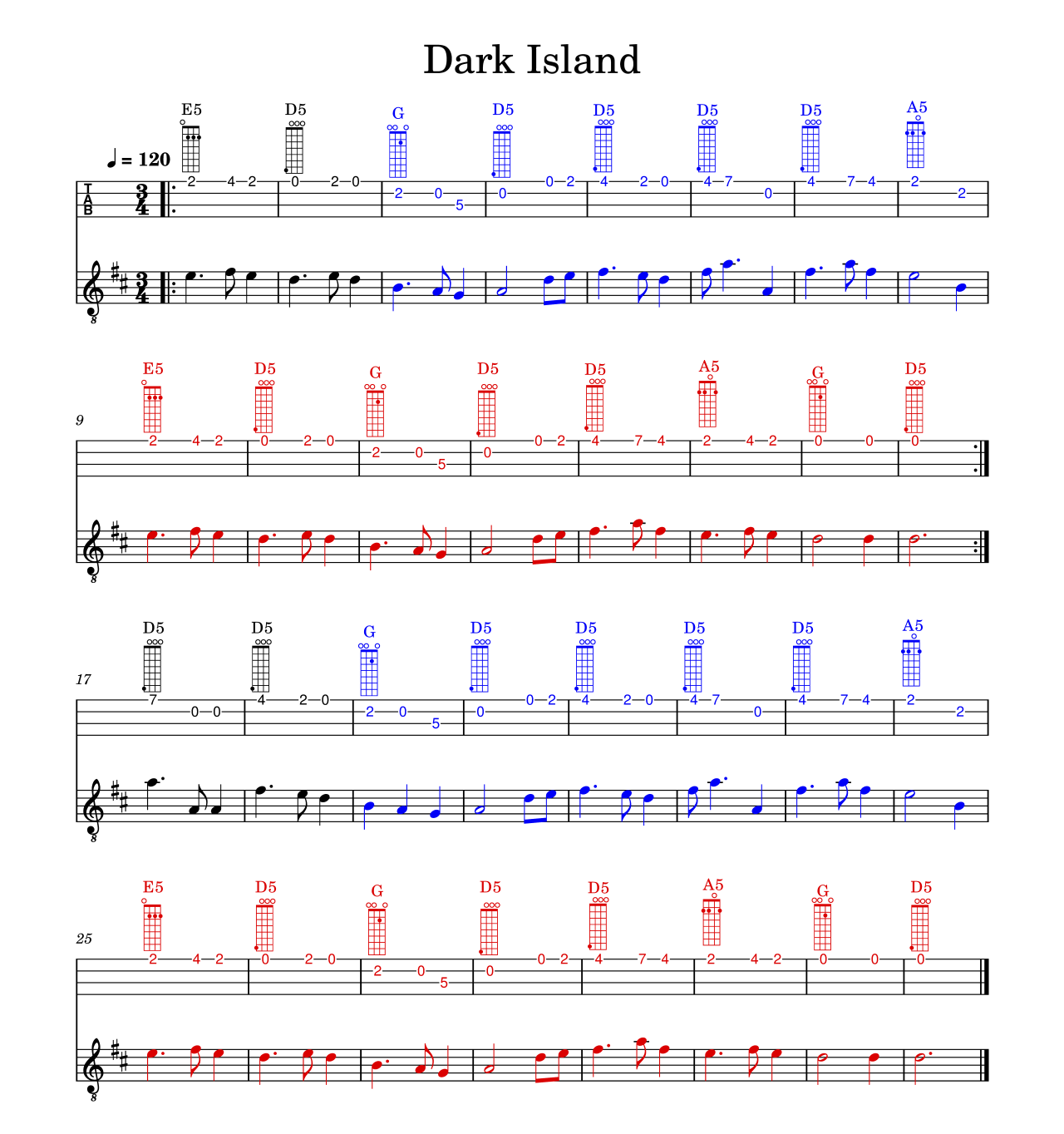
How To Play The Dark Island On Irish Bouzouki
The Dark Island is a slow, expressive tune that works beautifully on the Irish bouzouki. By understanding its chord movement, capo options, and melody structure, players can perform both melody and accompaniment effectively. This lesson explains how to approach the tune, move between positions smoothly, and adapt chords when focusing on melody playing.
Many traditional players discover The Dark Island through recordings or student requests. The tune has a reflective character and sits comfortably in triple time, making it ideal for exploring phrasing and expressive playing on the bouzouki.
In this lesson we will break down how to approach the tune, how to handle its chord shapes, and how to balance melody with accompaniment. The goal is to make the tune feel natural under your fingers while developing good bouzouki technique at the same time.
- How to structure The Dark Island when learning it on bouzouki
- How capo placement changes the key and playability
- How to prioritise melody notes over chord shapes
- Techniques for smooth movement between positions
- A simple practice routine to master the tune
Understanding The Character Of The Tune
The Dark Island has a slow, lyrical quality that makes it quite different from many fast traditional tunes. Rather than driving rhythm, the emphasis is on tone, phrasing, and smooth melodic movement.
Because of this, it is often treated more like a slow air or reflective waltz rather than a strict dance tune. The triple time feel is present, but the tempo is relaxed and expressive.
When playing slow tunes like this, avoid rushing between notes. Focus on letting each phrase breathe.
This creates a much more musical interpretation of the tune.
Choosing The Right Capo Position
One of the first decisions when playing the tune on bouzouki is where to place the capo. Some recordings perform the tune higher, which can make it easier to match other instruments or vocal ranges.
Using a capo on the seventh fret can replicate certain recordings while keeping familiar shapes under your fingers. However, many players prefer a lower capo position to maintain a warmer tone.
Try playing the tune in two different capo positions. First play it without a capo, then try capo 7.
Notice how the tonal brightness and fret spacing change your playing experience.
Balancing Melody And Chords
One important concept in traditional accompaniment is that melody always comes first. If a chord shape interferes with the melody, it is perfectly acceptable to simplify or abandon the chord temporarily.
Many players assume they must hold full chords while playing melody lines. In practice, experienced bouzouki players often use partial chords or only a few strings.
Trying to force a full chord shape while playing melody notes often leads to muted notes or awkward hand movement.
Instead, prioritise the melody and treat chord tones as optional decoration.
Typical Chord Movement In The Tune
The Dark Island uses a sequence of familiar chord shapes that appear frequently in traditional accompaniment. Understanding these shapes helps you recognise similar patterns in other tunes.
| Chord | Function |
|---|---|
D5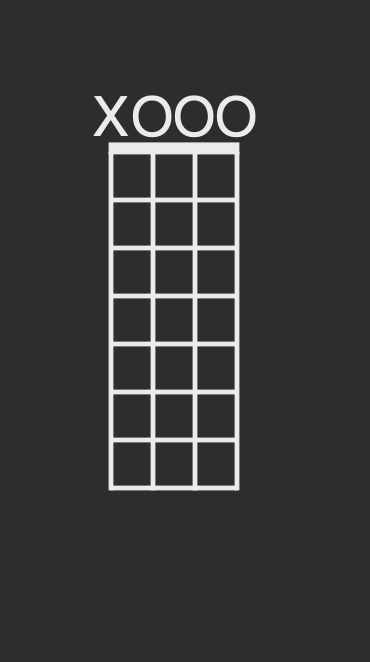 |
Primary tonal centre |
E5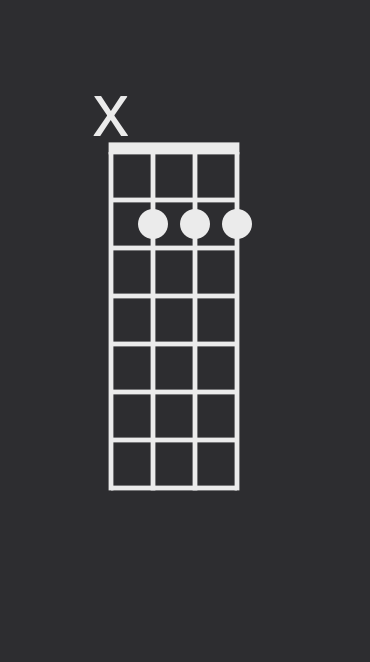 |
Minor colour movement |
G 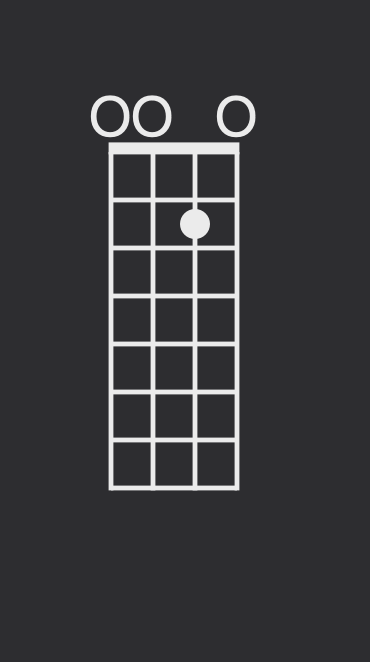 |
Descending harmonic motion |
A5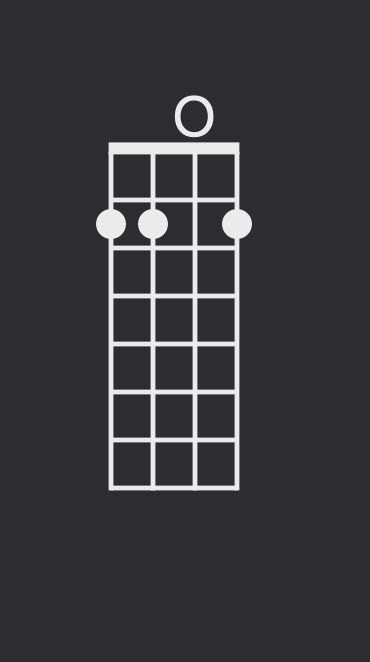 |
Dominant-style resolution |
These chord movements create the emotional rise and fall that gives the tune its distinctive sound. In GDAD tuning (recommended for chord & melody playing), these are chord charts to use:
Many traditional tunes use simple chord progressions.
What creates musical depth is not complexity, but phrasing, timing, and ornamentation.
Practicing Position Changes
A common challenge in this tune is moving smoothly between positions on the fretboard. Certain notes act as anchor points that guide your hand movement.
For example, the F♯ note often acts as a reference point when transitioning into higher melody positions. Treat these notes as guideposts rather than isolated notes.
Practising these transitions slowly helps develop muscle memory. Once your fingers learn the movement pattern, the tune becomes much easier to perform smoothly.
Play the first phrase repeatedly at half speed. Focus entirely on smooth finger movement between positions rather than speed.
Practice Routine
Use the following structured routine to learn the tune efficiently.
Step 1: Play the melody slowly without worrying about chords.
Step 2: Add partial chord tones where they naturally fit under the melody.
Step 3: Practice difficult position changes repeatedly.
Step 4: Gradually increase tempo while maintaining relaxed phrasing.
Step 5: Play the tune from beginning to end while focusing on musical expression.
Key Takeaways
✅ Focus on melody first and treat chords as supportive elements.
✅ Experiment with capo placement to find the most comfortable position.
✅ Use anchor notes to guide position changes on the fretboard.
✅ Practice the tune slowly to develop smooth phrasing.
✅ Prioritise musical expression over technical complexity.
FAQ
Is The Dark Island a waltz?
The tune is often interpreted in a slow triple-time feel similar to a waltz, though it is usually played more freely than a strict dance rhythm.
Should I play full chords when learning the melody?
Not necessarily. When melody notes conflict with chord shapes, it is better to prioritise the melody and add chord tones only where they fit naturally.
Why use a capo for this tune?
A capo allows you to match the key of certain recordings while keeping comfortable chord shapes on the bouzouki.
Is this tune suitable for beginners?
Yes. Although it contains some position changes, its slow tempo makes it an excellent tune for developing phrasing and melodic playing.
Categories: : Irish Traditional Music