How to Practise The Old Copperplate Reel in A Dorian
 Declan Plummer
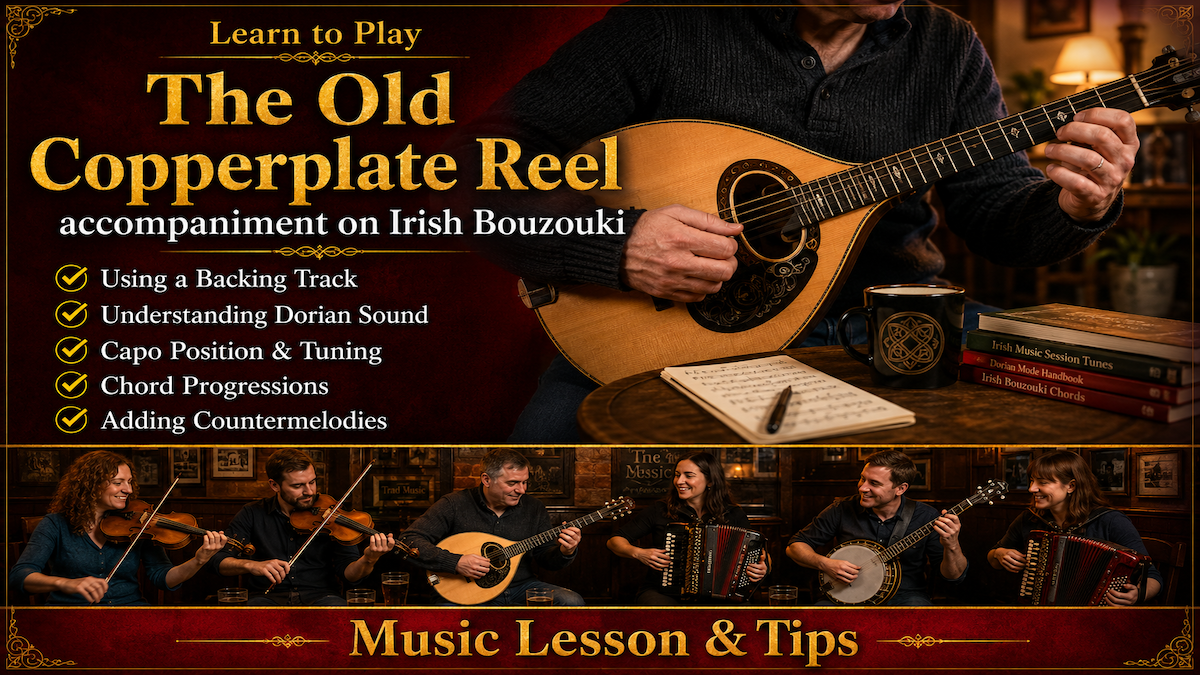
Learn The Old Copperplate reel with A Dorian bouzouki chords, backing tracks, tempo practice and Irish trad accompaniment tips.
Practising The Old Copperplate In A Dorian
This lesson shows how to practise The Old Copperplate as an Irish reel in A Dorian, using slow and faster whistle recordings, chordal accompaniment, and countermelody ideas in the Irish bouzouki accompaniment. The main focus is choosing useful chords, understanding the Dorian sound, and building practical accompaniment patterns that work at real playing speed.
The Old Copperplate is one of the classic reels found in many Irish traditional music sessions. In this lesson, the tune is approached not simply as a melody to be learned, but as a complete practice project: melody, rhythm, tempo control, accompaniment, chord choice, and recording workflow all work together.
Rather than rushing straight to full speed, the tune is first recorded slowly on tin whistle. A second version is then played at a more comfortable reel speed, before adding bodhrán-style rhythm and bouzouki accompaniment. This creates several useful practice layers for students.
The lesson is especially useful for Irish bouzouki players, guitarists, piano accompanists, and melody players who want to practise Irish traditional music with a more musical backing than a plain metronome.
- The Old Copperplate is treated as an A Dorian reel.
- The lesson uses slow and faster practice speeds to build confidence.
- The main bouzouki chords include A5, Gsus2, D, E5, D minor, and F.
- The accompaniment is built gradually from simple drones to fuller chord movement.
Why Use Backing Tracks For Irish Traditional Music Practice?
A metronome can be useful, but it can also feel mechanical. Irish traditional music needs pulse, lift, phrasing, and energy. Practising with the Irish Traditional Music Accompaniment App helps a student feel the music as something alive, rather than simply placing notes against a click.
The purpose of the backing track is not to replace real musicians. It is to give the student a reliable musical environment when practising alone. A good rhythm track keeps the reel moving, while the harmonic backing gives the melody a stronger sense of shape.
This is particularly helpful for melody players on tin whistle, flute, fiddle, banjo, concertina, accordion, or pipes. It is also helpful for accompanists learning Irish bouzouki, guitar, or piano, because they can practise supporting a tune without needing another player in the room.
PRO TIP: Use backing tracks as a musical practice partner, not as background noise. Listen carefully to whether your playing sits comfortably inside the pulse, rather than simply trying to keep up.
Practising With A Musical Pulse
When practising The Old Copperplate, start with the slow version. At a slower tempo, you can hear whether the tune is clean, whether the ornaments are comfortable, and whether the phrasing makes sense. Once the tune feels steady, move to the faster version.
A reel at around 105 beats per minute can be a very useful working speed. It is fast enough to feel like a reel, but not so fast that the player loses control of ornamentation, tone, or variation.
Understanding The A Dorian Sound
The Old Copperplate is treated here as an A Dorian tune. Dorian mode has a minor feeling, but it is not the same as natural minor. The important colour comes from the raised sixth degree, which gives the music a brighter and more open quality.
In practical terms, the ear often hears the Dorian flavour through movement between A and G (via an F#), and through the way the harmony avoids sounding like a straightforward minor key. The result is dark, energetic, and very common in Irish reels.
INSIGHT: In Irish traditional accompaniment, modal colour often matters more than classical chord labels. The label helps, but the sound of the drone, bass movement, and tune direction should guide the accompaniment.
Recognising Dorian By Ear
A useful way to recognise Dorian is to listen for a minor centre with a brighter lift. If the tune feels minor but does not settle into a heavy natural minor sound, Dorian is often a strong possibility. In Irish music, A Dorian and E Dorian are especially common.
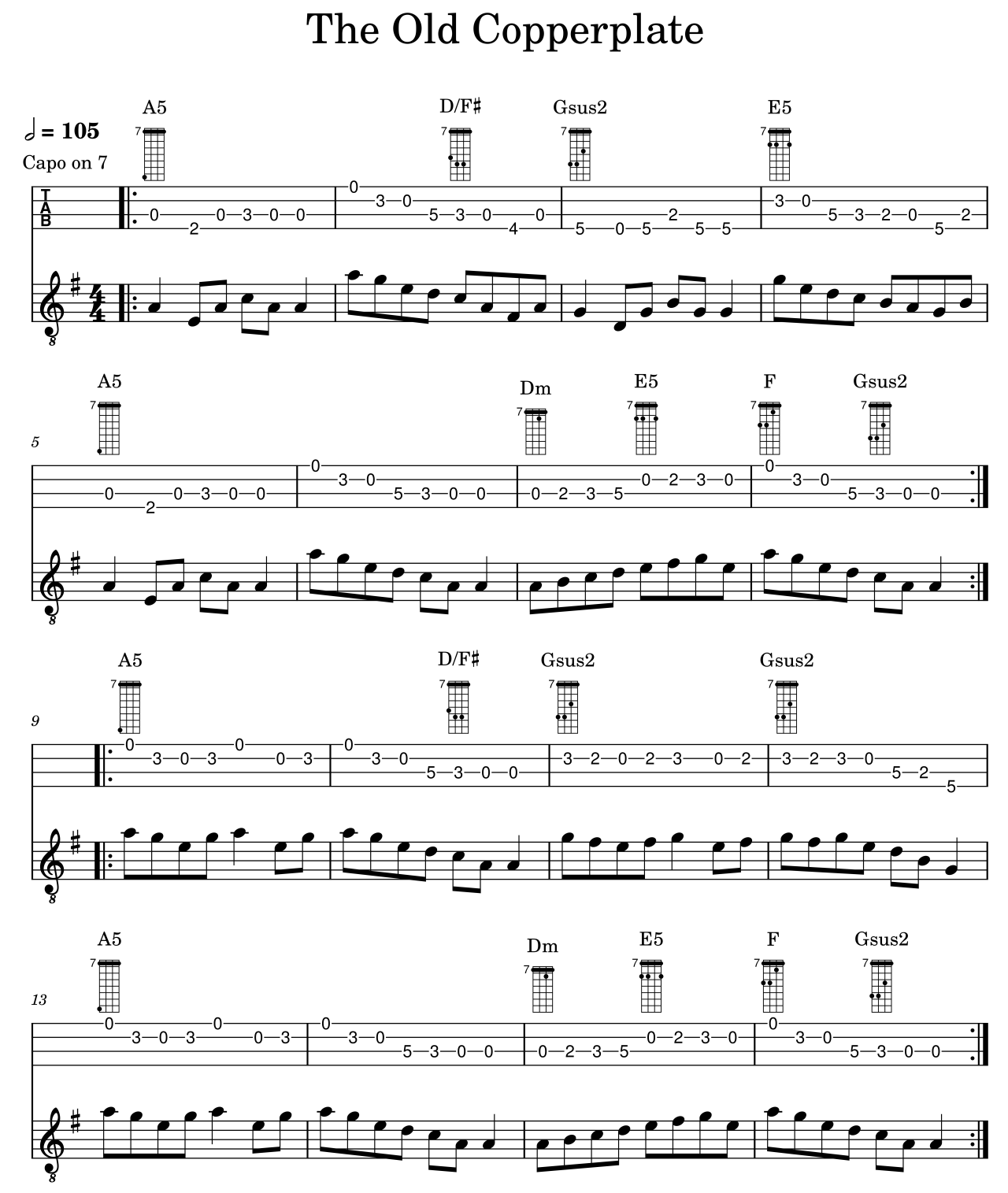
For the Irish bouzouki, this matters because it affects capo position and chord shapes. In this lesson, the capo is placed on the seventh fret for A Dorian, allowing familiar chord shapes to support the tune effectively.
Irish Bouzouki Capo Position And Tuning
The bouzouki setup used in this lesson is based around the tuning D, A, E, A (Capo on 7) from the lowest 4th course to the highest first course. This tuning works very well for modal Irish accompaniment, especially when using open drones and power chords.
For A Dorian, the capo is placed on the seventh fret. This allows the player to use comfortable chord shapes while matching the pitch and modal centre of the tune. For G tunes, the capo often moves to the fifth fret. For D or B minor, no capo may be needed. For E Dorian or E Aeolian, the capo is commonly placed on the second fret.
PRACTICE: Before playing the full accompaniment, place the capo on the seventh fret and check every open course carefully. Then move between the main chord shapes slowly until the left hand feels settled.
Main Chord Shapes
The first chord to establish is A5. This power chord gives a strong modal centre without forcing the tune into a major or minor sound. It is a safe and useful home chord for much of the accompaniment.
The next important sonority is Gsus2. In practice, this can often be heard as a G5 sound with the high A acting like a drone or inverted pedal. The chord name is useful, but the musical effect is more important than the label.
The D chord, E power chord, D minor, and F major can then be added to expand the accompaniment. These chords give the player more colour and movement, but they should be introduced gradually.
Chord Progression Box For The Old Copperplate
Chord Progression Box:
| Function | Chord | Use In The Accompaniment |
|---|---|---|
| Home Sound | A5
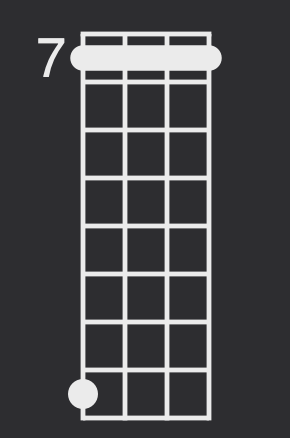 |
Main drone centre |
| Modal Colour | Gsus2 / G5
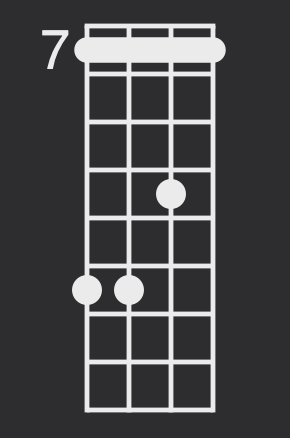 |
Creates modal movement back to A |
| Lift | D/F#
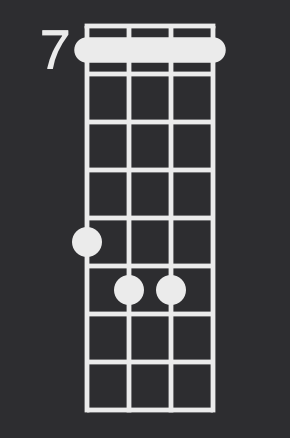 |
Adds Dorian brightness and forward motion |
| Tension | E5 / Esus4
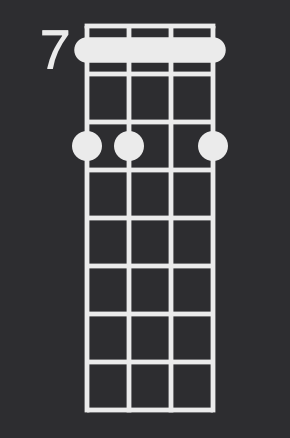 |
Acts like a modal dominant colour |
| Extra Colour | D Minor
 F
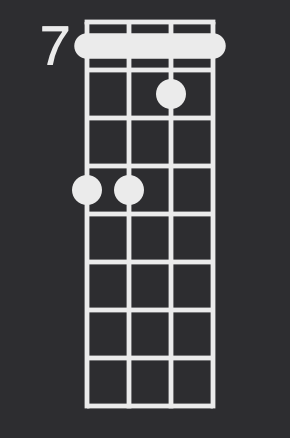 |
Adds darker contrast when needed |
The safest way to begin is with A5, Gsus2, D, and E5. These four chords can support a large amount of the tune. Once they feel comfortable, D minor and F can be added for extra harmonic colour.
The goal is not to force a new chord under every bar. Irish accompaniment often works best when it leaves space for the tune. A strong drone can be more effective than a busy chord sequence.
Building The Accompaniment Gradually
Start by playing through the tune with only the simplest chord choices. Use A5 as the main home sound, move to Gsus2 where the melody suggests that Dorian pull, and add D or E5 only where they feel natural.
This first stage is about security. The right hand should maintain a steady rhythmic feel, while the left hand learns the shape changes. The accompaniment should support the reel, not compete with it.
COMMON MISTAKE: Do not add every possible chord too early. If the accompaniment becomes too busy, the tune loses clarity. Build from drones and simple shapes first, then add colour only when the rhythm remains steady.
Using Drones And Pedals
A repeated A can work as a drone, even when the chord underneath appears to change. This is why the Gsus2 sound is so useful. The high A does not always need to be treated as a full harmonic note. It can function as a ringing colour above the chord.
This drone-based thinking is very natural in Irish traditional music. It keeps the accompaniment connected to the modal character of the tune and prevents the harmony from becoming too classical or over-explained.
Right-Hand Rhythm And Reel Feel
The right hand should give the reel lift without becoming rigid. A strict down-up pattern can be useful in slow practice, but at full speed the motion needs to relax. The best result is a controlled rhythm that still breathes.
When the tune is slow, you may be able to make every stroke precise. When the tune becomes faster, the hand should move more naturally. The rhythm should still be organised, but it should not sound stiff or mechanical.
PRACTICE: Try three simple repetitions of a pattern, then one more detailed version. This helps you create variation without losing the basic reel pulse.
Simple To Detailed Patterns
One useful practice method is to alternate between simple strumming and more accurate arpeggiated movement. This prevents the accompaniment from becoming monotonous, while still keeping the basic pulse secure.
For example, play three passes with a plain rhythmic texture, then use the fourth pass to introduce a more detailed picking idea. This gives the accompaniment shape and makes the variation feel planned rather than random.
Adding Counter Melodies
Once the basic chords are secure, the next stage is to add small counter melodies. These should grow naturally out of the chord shapes and the A Dorian scale. They do not need to be long or complicated.
The best places for counter melodies are often the sections where the accompaniment sits on A5 for a while. When the harmony is stable, the bouzouki has room to add a little movement without disturbing the tune.
A counter melody should answer the tune rather than distract from it. If the tin whistle, fiddle, or flute melody is busy, keep the bouzouki simpler. If the tune leaves space, add a small arpeggio or scale-based figure.
PRO TIP: Build counter melodies from notes already available under your fingers. If a line requires awkward shifting at speed, simplify it before trying to force it into the reel.
Testing Ideas At Faster Speeds
An idea that sounds excellent at a slow speed may not work at 105 beats per minute. This is why the lesson tests accompaniment ideas against a faster whistle and rhythm track. The faster tempo quickly reveals whether the fingering is practical.
If a pattern feels tense, reduce it. Keep the rhythmic intention, but remove unnecessary notes. A clean, confident simple pattern is always better than a clever idea that causes the reel to stumble.
Recording Different Practice Versions
A useful part of the lesson is the idea of creating several versions of the same tune. One slow tin whistle recording allows careful learning. One faster whistle recording gives a more realistic practice tempo. A whistle and bodhrán version helps accompanists practise with rhythm and melody together.
For bouzouki players, this is extremely helpful. Instead of trying to invent accompaniment in isolation, the player can hear the tune clearly and practise supporting it in real time.
The same approach can be used for any Irish tune. Record or find a slow melody version, then a quicker version, then practise accompaniment over both. This creates a bridge between learning the notes and playing musically.
INSIGHT: A practice recording does not need to be perfect to be useful. It needs to be steady, clear, and musical enough to help you make better decisions while practising.
Why Tempo Layers Matter
Slow practice lets you hear detail. Medium-speed practice lets you develop flow. Faster practice reveals whether your technique is reliable. All three are important, but they should not be rushed.
For this reel, a comfortable speed around 105 beats per minute gives enough lift while still leaving space for ornamentation and musical choice. A faster speed can be exciting, but the music should not suffer for the sake of speed.
Practice Routine For The Old Copperplate
Step 1: Listen to the tune without playing. Identify the A Dorian sound and notice where the melody feels settled, where it lifts, and where it returns home.
Step 2: Play only the A5 chord with the slow version. Focus on keeping a steady reel pulse and making the right hand relaxed.
Step 3: Add Gsus2 and D. Move between the chords slowly, making sure each change is clean before increasing the tempo.
Step 4: Add E5, D minor, and F only when the basic progression is secure. Do not use all six chords every time. Choose the ones that support the tune best.
Step 5: Practise with the faster whistle recording. Remove any chord change or counter melody that causes tension or hesitation.
Step 6: Add small counter melodies during longer A5 sections. Keep them scale-based, simple, and easy to repeat.
Step 7: Record yourself playing along with the backing track. Listen back for timing, balance, tone, and whether the accompaniment supports the tune.
Step 8: Finish by playing one complete version without stopping. Treat this as a performance take, even if it is only for your own practice.
Key Takeaways
Key Takeaways
✅ The Old Copperplate works well as an A Dorian reel, with a strong modal centre around A.
✅ Irish bouzouki accompaniment should begin with simple drones and power chords before adding fuller harmony.
✅ A5, Gsus2, D, E5, D minor, and F give a practical chord palette for this version of the tune.
✅ Practising at several speeds helps separate technical control from musical flow.
✅ Counter melodies should be simple, scale-based, and tested at realistic reel speed.
FAQ
What Mode Is The Old Copperplate In?
In this lesson, The Old Copperplate is treated as an A Dorian reel. It has a minor quality, but the Dorian colour gives it a brighter modal lift than a straightforward natural minor tune.
What Capo Position Should I Use For A Dorian On Irish Bouzouki?
For the approach used here, the capo is placed on the seventh fret. This allows familiar chord shapes to work effectively for A Dorian accompaniment.
Should I Practise Irish Reels With A Metronome Or A Backing Track?
Both can be useful, but a backing track gives a more musical sense of pulse, lift, and phrasing. A metronome is excellent for checking timing, while a backing track helps you practise in a more realistic musical setting.
How Fast Should I Play The Old Copperplate?
Start slowly enough to play cleanly. A working speed around 105 beats per minute can give a good reel feel while still allowing time for ornamentation, chord changes, and musical choices.
Do I Need Lots Of Chords To Accompany This Tune?
No. A small number of well-chosen chords is enough. Begin with A5, Gsus2, D, and E5. Add D minor and F only when they support the tune and do not interrupt the rhythm.
To take your learning to the next level,
check out some of these amazing Courses & Apps





Categories: : Irish Traditional Music
Did this article answer all your questions?
If you have any questions, or you want to learn more,
Click the Picture Below to Join the Community for FREE!